
Article written by Ian Corless for IanCorless.org
Running is running yes? Anyone can do it! Well I guess the answer is yes. However, variables come in to play. Running is broken down into many different distances, from 100m to 100-miles and beyond. The longer we run, the more the challenges and requirements on a runner change. Running for multiple days or running a multistage race on mixed terrain throws up many different scenarios. Over the years I have spoken with many champions who have raced in the sands of the Sahara, the forests of Costa Rica and the mountainous paths of Nepal. They all provide me with similar hints ’n’ tips to a successful multistage race.
Here is a top 10.
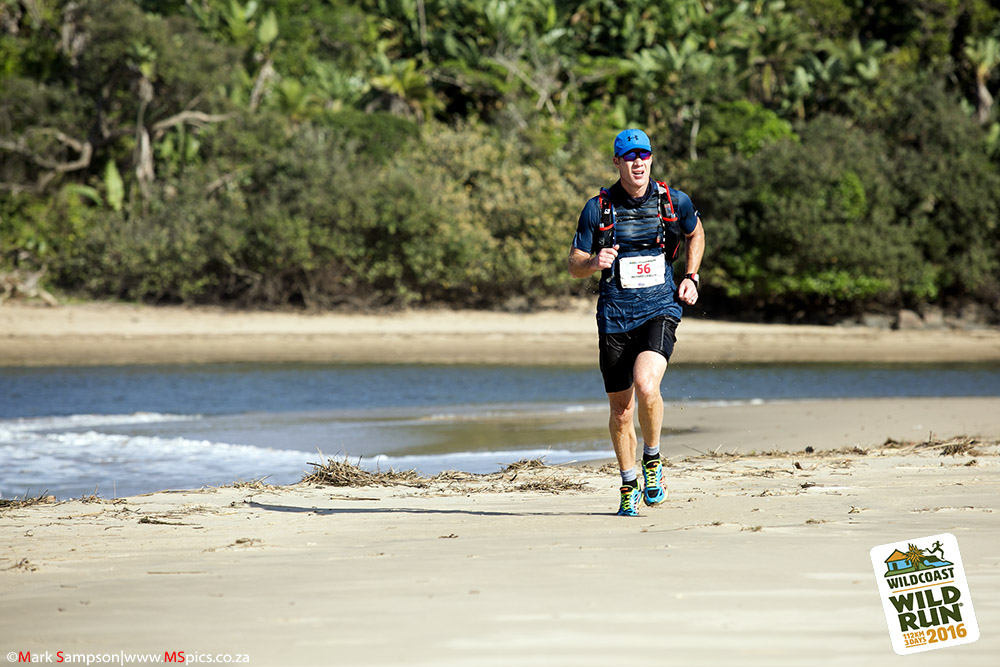
1 – RUNNING IN THE SAND
Desert races are very popular. Marathon des Sables for example is the father of multistage racing and over the years, many races have followed in the MDS format. A desert race is never all dunes but some races have more soft sand than others, so, be prepared. To avoid getting tired it’s important to read the terrain. Carve your own path running on fresh sand and when possible, run along the ridges. In smaller dunes (dunettes) it can be beneficial to run in tracks left by others, at all times, run light as though running on ice – you don’t want to sink in the sand!
2 – HYDRATION
Dehydration is a real risk in any race, particularly a self-sufficient race where water is rationed. The risks of dehydration increase when the mercury rises and a lack of cover comes. Take small and regular sips of water and supplement lost salt with salt tablets. Also think about food choices on the trail and when in camp – food rich in minerals and salts will also help you. Importantly, multistage racing is about management from day-to-day and this is what can trip people up. Think about the event as a whole and make sure you recover after each day – rehydrating is as important post a run as when running.

3 – BLISTERS
Many a multistage race is ruined by bad personal management of feet. Think about this well in advance of the race by choosing socks and shoes that work for you. Also choose shoes appropriate for the terrain you will be racing on. By all means take advice on shoes from previous competitors BUT you are unique and your needs are unique. Do you pronate? Do you supinate? Do you need a low or high drop? Do you prefer a cushioned shoe or a more minimalist shoe? What about grip, do you need any? Do you need to fit gaiters? The questions can go on and on and only you can make a choice. If all this is new to you. Go to a running store that understand runners and can provide expert and impartial advice. They will assess you and your run style and provide advice. One consideration for multistage racing is that your foot ‘can’ possibly swell due to variables such as heat, running day-after-day and so on. Your foot will not go longer, but it may go wider. So, think about shoes that have some room in the toe box. Don’t purchase shoes that are 1 or 2 sizes larger – this is poor advice. Larger shoes will only allow your foot to move… a moving foot causes friction, friction increases the risk of soreness and soreness will lead to a blister. Also think about walking. Many people choose a shoe because they are good to run in… But how do they feel when you walk? Remember, a multistage race can involve a great deal of walking!

4 – BALANCED PACK
5 – PROTECT FROM THE SUN
6 – EAT WELL
Any multistage race is quickly broken down into three phases – running, eating and sleeping. Food is a really important part of any race as it has to perform many functions. Most importantly, it has to sustain you so you will need carbohydrate, protein and fat. Real foods are good but dehydrated food also has a place. You also need to decide if you will require a stove for heating water? Don’t think twice about stepping up a little on the organization’s requisite minimum daily dose of 2,000 calories a day, remember though, it’s all weight!
7 – REST
8 – PACE
9 – KEEP ON TRACK
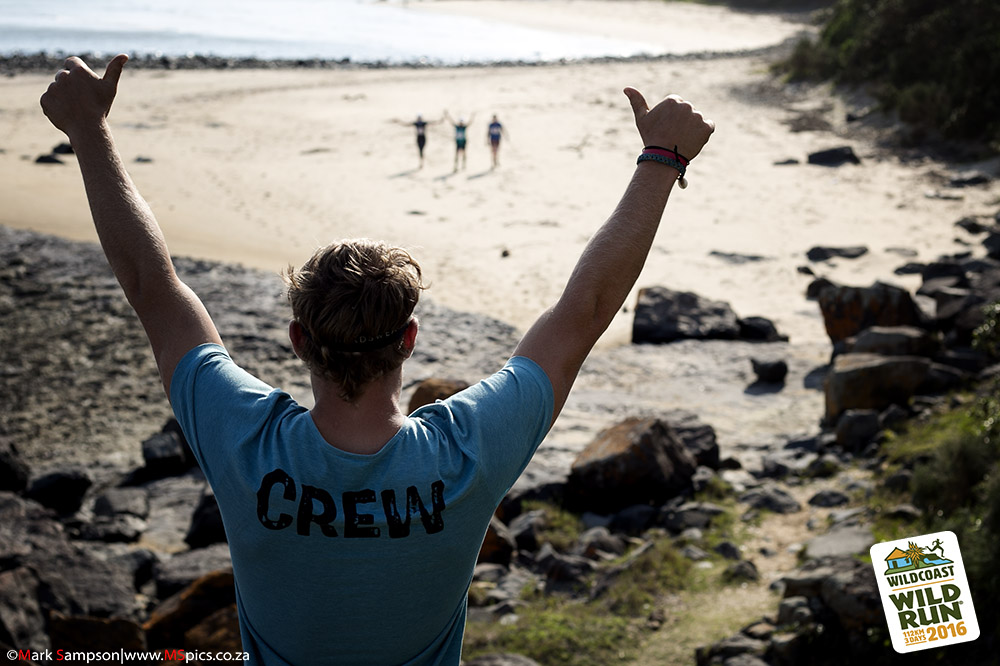
10 – ENJOY IT
A multistage journey often offers so much more than any single-day race. It’s an experience like no other and friends made in the desert, jungle or mountains will stay with you forever. Also remember that this journey is a hark back to a more primitive and simple time – embrace that. Leave your phone at home, leave gadgets at home and live a simple life for a week – I guarantee it will change you!
These are only some of the juiciest tips but if you want to read the full article click here.